
Ethical story production
in the storytelling boom.
Impact Stories. Ethically produced.
Practical solutions —
for ethical storytelling.
There has been a lot of talk about ethical storytelling — but organizations need to know what to do.
Program: How is storytelling structured and supported within your organization?
Policies: Where does your organization draw the line on what is ethical — and what is not?
Process: How are policies operationalized — so everyone knows what to do?
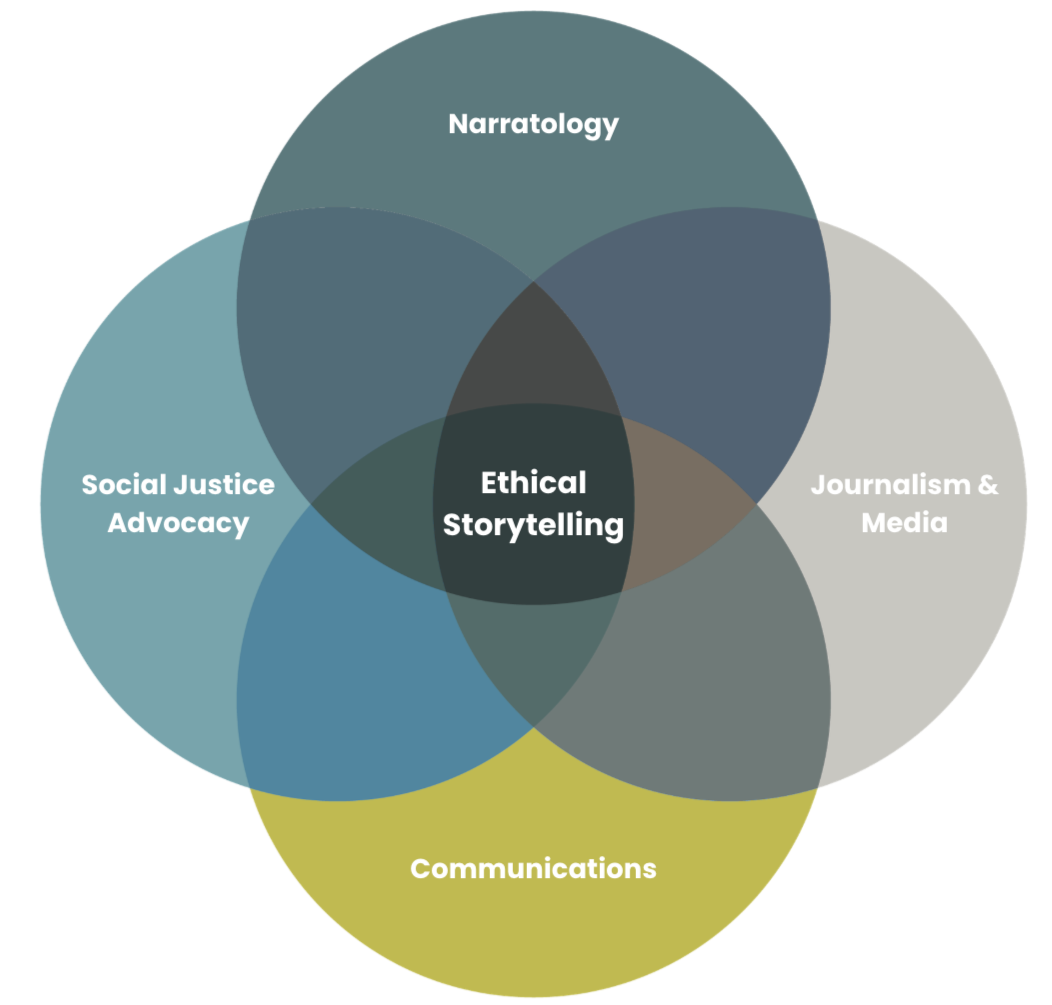
What does “ethical storytelling” mean?
What someone means and what someone else thinks they mean depends on the discipline or sector they are speaking from:
Production: Was the story produced in an ethical manner?
Representation: Are the people in the story represented ethically?
Messaging: Is the story language and content ethical?
Use: Is the story being used ethically?
Ethical storytelling can mean all of these — but usually doesn’t. Learn more.
Ethical storytelling is not new — it’s just invisible.
You already take care to collect and use stories ethically. But — because this work is invisible — you don’t have:
internal support and recognition of your work
solutions to specific concerns you have identified that require inter-departmental cooperation
resources to invest in expanding your ethical storytelling work
You need transparency into the invisible work you already do, and insight into solutions similar organizations are using.
It’s up to us.
We’re going to have to create the guidelines we’ve been waiting for.
We need an industry standard — a shared understanding of what it means when someone says “ethical storytelling”.
We need to turn panel discussions into best practices — talk doesn’t help if it goes no further than the stage.
Start by joining a survey of practices.